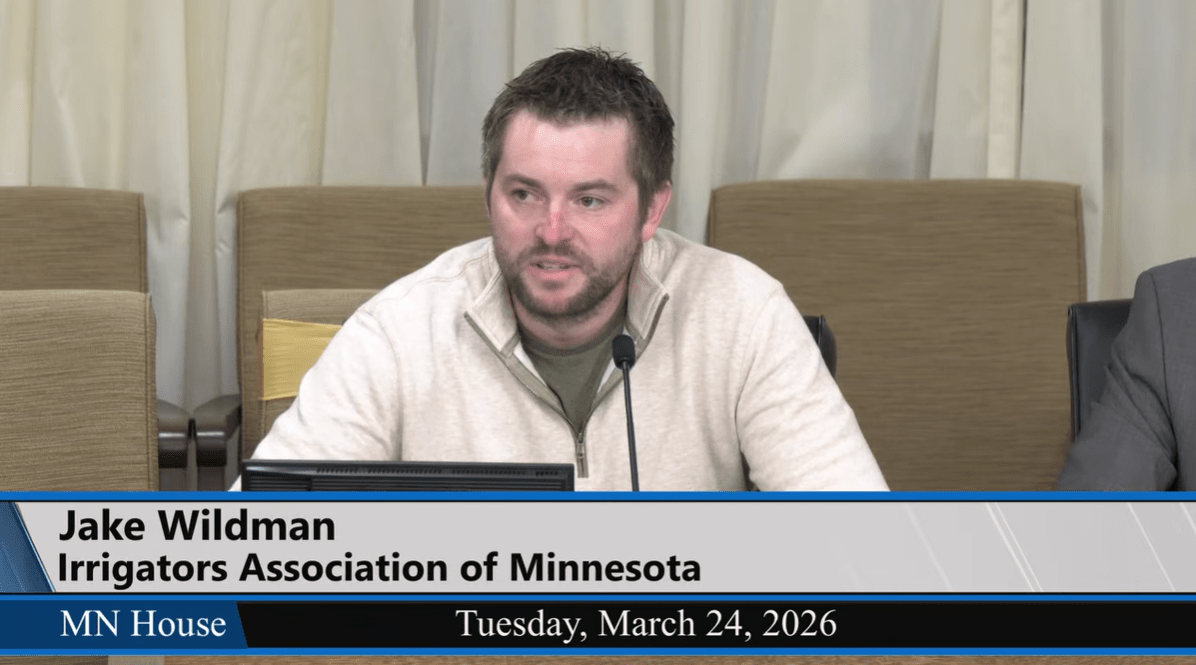
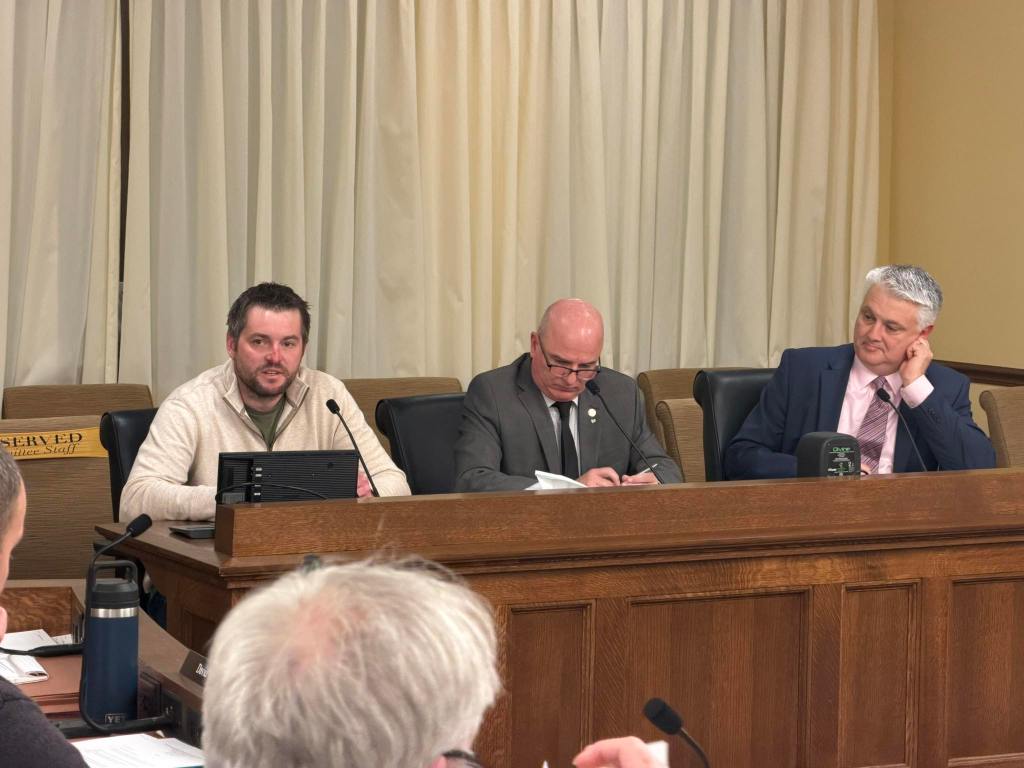
On March 24, Minnesota Irrigators Association President, Jake Wildman, testified before the House Environment and Natural Resources Finance and Policy Committee in support of House File 3236, a bill written in collaboration with Darin Broten at Minnesota AgriGrowth. Those comments focused on two key provisions in the bill: additional water use for cover crop establishment and improvements to water permit transfers.
Wildman spoke from both personal experience and on behalf of irrigators across the state, emphasizing the need for policies that reflect how farming actually works on the ground.
Cover Crops and Irrigation Go Hand-in-Hand
Cover crops continue to gain traction as a practical conservation tool, especially on irrigated acres. As Wildman explained, irrigation not only supports crop production but also makes cover crops more viable and effective.
On lighter soils, cover crops help improve water-holding capacity, build soil structure, and reduce the risk of wind erosion. These benefits are well understood by farmers, even if they don’t always show up immediately in year-end numbers.
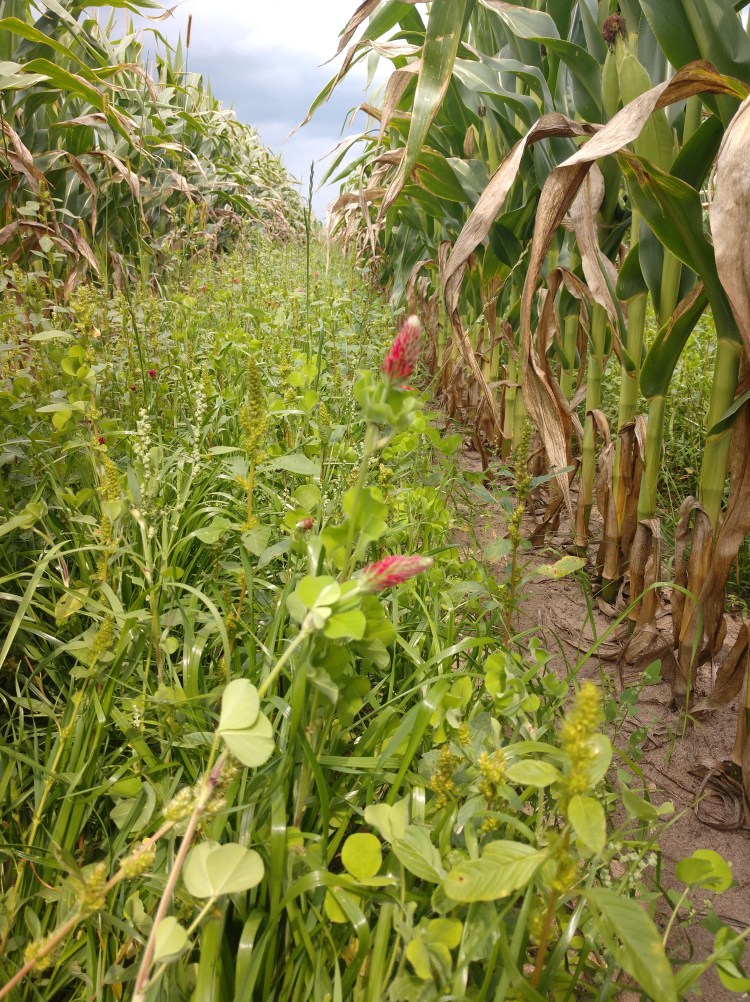
Irrigation also plays a role in making cover crops possible in Minnesota’s climate. It allows growers to choose cropping systems that leave enough time to establish a cover crop, something that can be difficult in shorter growing seasons.
Wildman noted that cover crops are recognized by the state as a best management practice for improving soil health and reducing nutrient loss. Allowing additional, intentional water use to get those crops established gives farmers another tool to make these practices work in real-world conditions.
The Need for Predictable Permit Transfers
Wildman also addressed ongoing challenges with water permit transfers, an issue that is expected to grow as more farmland changes hands in the coming years.
Irrigated land is valued and financed with the understanding that an existing water permit will transfer if the use remains the same. When that process becomes uncertain or delayed, it creates risk for both farmers and lenders.
He shared an example from an association member who had farmed rented ground under a valid permit for over 15 years. After the land changed ownership, the farmer was required to go through a lengthy transfer process, even though the water use and permit history had not changed.
Situations like this introduce unnecessary uncertainty into what should be a straightforward process.
Wildman’s message was simple: if a permit has been in good standing for many years and the intended use remains the same, the transfer should be clear and predictable. These transfers do not increase water use; they allow existing, permitted use to continue.
Keeping Policy Grounded in Reality
Wildman closed by reinforcing the importance of keeping water policy practical and workable. Farmers are already balancing conservation goals with tight margins and unpredictable conditions. Policies that support that balance, rather than complicate it, make a difference.
The Minnesota Irrigators Association will continue to engage on these issues and work with lawmakers and agencies to ensure irrigators have the tools and certainty they need moving forward.
To help members stay informed, a new Legislative Updates & Bill Tracker page has been added to the Irrigators Association of Minnesota website. This resource provides a centralized place to follow key bills, track progress throughout the session, and stay up to date on issues impacting irrigation and water use across the state.
View the new tracker here: Legislative Updates & Bill Tracker – IAM
 IAM
IAM 