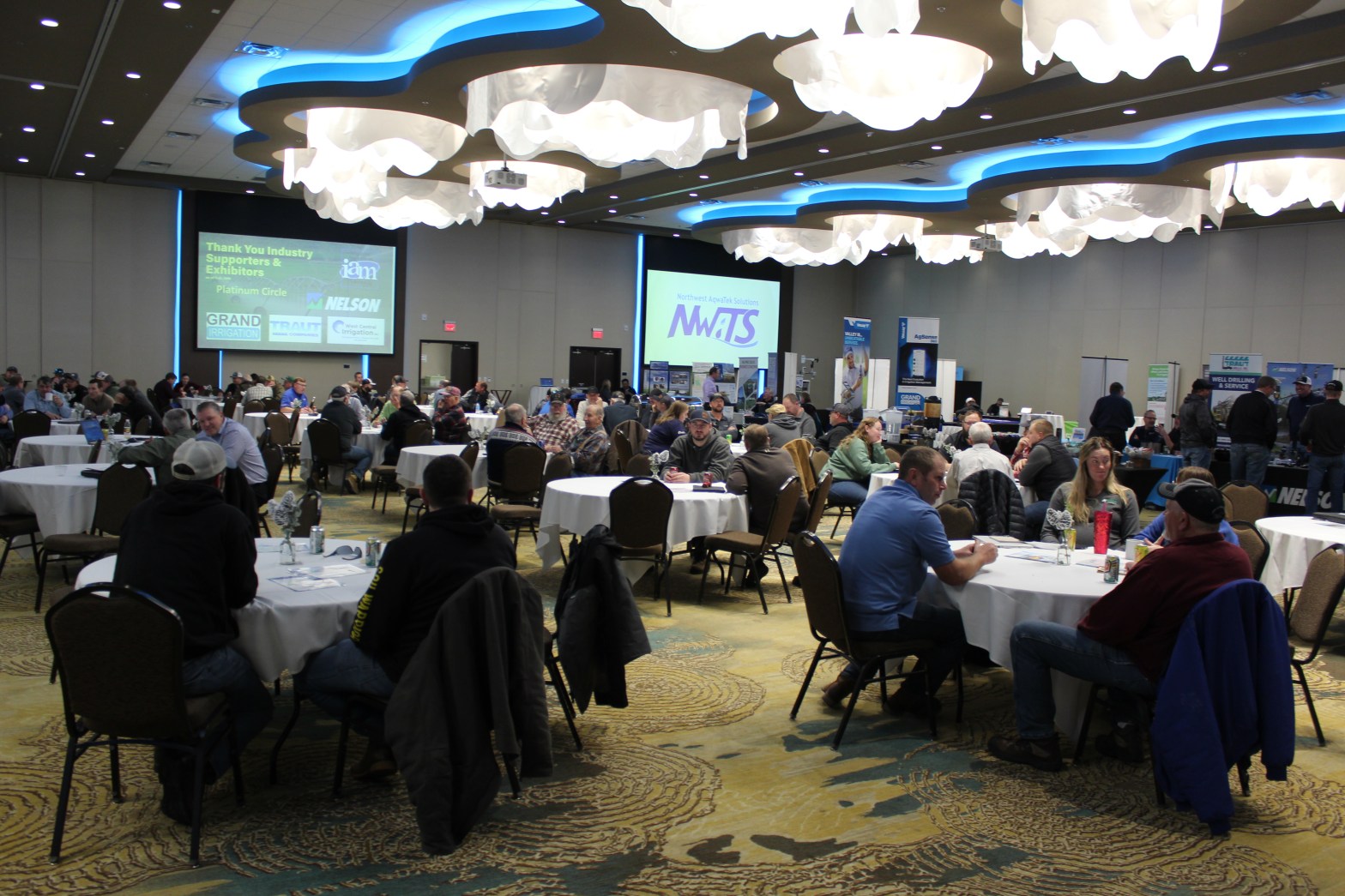
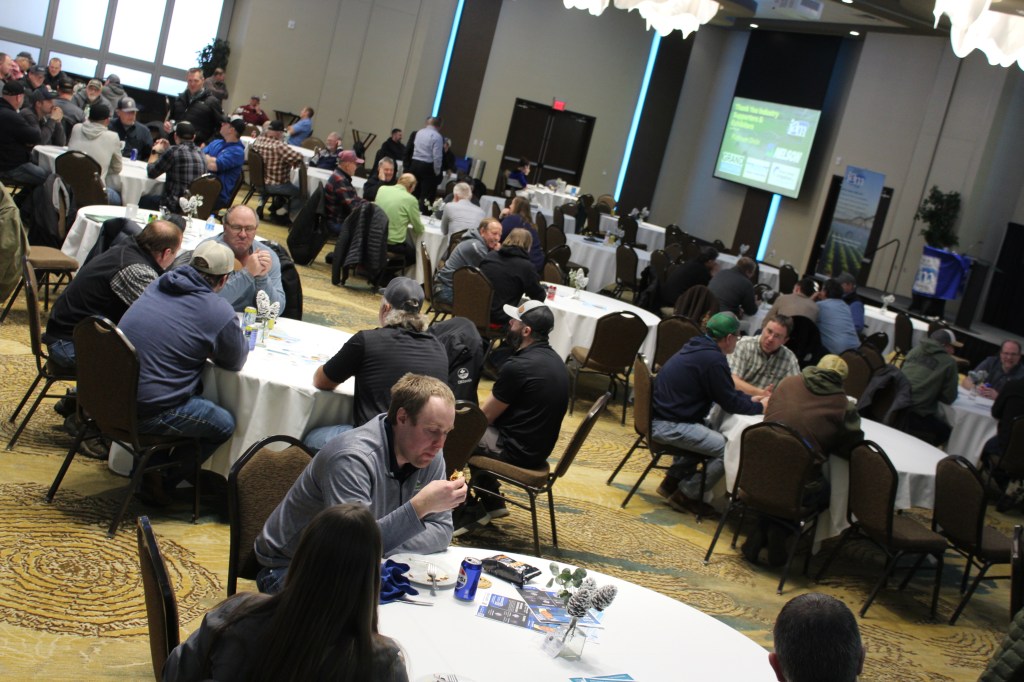
The Irrigators Association of Minnesota’s 51st Annual Convention and Expo, held February 19, 2026, at The Park Event Center in Waite Park, featured a timely legislative update from association lobbyists John Berns and Tony Kwilas. Their presentation provided irrigators with insight into Minnesota’s evolving political climate, legislative priorities, and policy developments that could impact agricultural water use and irrigation practices in the years ahead.
Closely Divided Legislature Shapes Policy Environment
Berns opened the session with an overview of Minnesota’s current political landscape, emphasizing how narrow legislative margins are influencing policy discussions. The Minnesota Senate currently operates under a one-vote DFL majority, while the House remains evenly divided. This balance creates a highly negotiated environment where bipartisan cooperation is often necessary to move legislation forward.
He also noted increased security measures at the State Capitol following recent violence and highlighted the state’s projected budget surplus of approximately $2.5 billion. While the surplus presents opportunities, ongoing spending pressures in healthcare and education could create future budget challenges.
Irrigation and Water Policy Remain Key Legislative Priorities
Kwilas discussed the association’s ongoing work with AgriGrowth and legislative partners to advance policies important to irrigators. A key focus is legislation that would:
- Improve flexibility for agricultural water permit transfers
- Support increased water use allowances for cover crop establishment
- Provide greater clarity and efficiency in water management regulations
The proposed legislation, which builds on efforts from the previous session, is expected to begin in the House Environment and Natural Resources Committee. Representative Josh Heinzman has committed to providing a hearing on the bill.
Kwilas also noted significant upcoming legislative turnover, with as many as 50 new legislators expected by 2027. This shift underscores the importance of continued education and engagement to ensure agricultural water needs remain understood by policymakers.
Budget Negotiations Result in Agricultural Fee Increases
Berns explained that recent state budget negotiations were finalized by a small group of legislative leaders and the governor’s office, a common practice during complex budget agreements. While these negotiations secured additional funding for state agencies, they also included fee increases affecting agriculture.
Despite efforts by agricultural allies in the legislature to prevent these increases, the provisions remained in the final agreement. Kwilas and Berns emphasized that while disappointing, such compromises are often part of broader budget negotiations.
Overall, the state’s budget was reduced from $72 billion to $66 billion as lawmakers worked to balance fiscal priorities.
Data Center Growth Raises Water and Energy Considerations
Another emerging issue discussed during the session was water use by large data centers. Berns explained that while engineering improvements can reduce water consumption, energy demand and grid capacity remain major concerns.
State lawmakers have already addressed some aspects of energy use, but water usage regulations are still under discussion. Local governments currently play a major role in approving data center projects, and additional legislation and regulatory oversight may be forthcoming.
Audience members also raised questions about potential taxation or fees related to data center water use. Berns noted that while legislation passed in 2025 addressed some aspects of data center development, further policy discussions and potential involvement from the Minnesota Public Utilities Commission are expected.
Continued Advocacy Essential for Irrigators
The lobbyist update reinforced the importance of continued advocacy and engagement by irrigators. With significant legislative turnover anticipated and key water policy issues under consideration, maintaining a strong voice at the Capitol remains essential.
The Irrigators Association of Minnesota continues to work closely with lawmakers, agency leaders, and agricultural partners to promote practical, science-based water policies that support agricultural productivity while protecting Minnesota’s natural resources.
The association’s annual convention provided an important opportunity for irrigators to stay informed, ask questions, and remain engaged in the legislative process during a pivotal time for water policy in Minnesota.
 IAM
IAM 