
Groundwater levels remain stable in Bonanza Valley, Southeast Dakota County and Perham
Despite persistent drought conditions during the past four years, a report commissioned by the Irrigators Association of Minnesota (IAM) revealed that the health of Minnesota’s aquifers in three key areas with high density of agricultural irrigation – the Bonanza Valley (central Minnesota), Dakota County (east-central Minnesota) and Perham (west-central Minnesota) – remain stable.
On behalf of IAM, Foth Infrastructure and Environment, LLC. (Foth), performed a review of potential impacts from irrigation withdrawals on groundwater levels, examining thirty years of publicly available data from the Minnesota Department of Natural Resources (DNR). Records from DNR’s Cooperative Groundwater Monitoring Program were reviewed for more than 190 wells in the study area. Foth evaluated water levels over time to determine the magnitude and significance of possible changes to the aquifers from groundwater development.
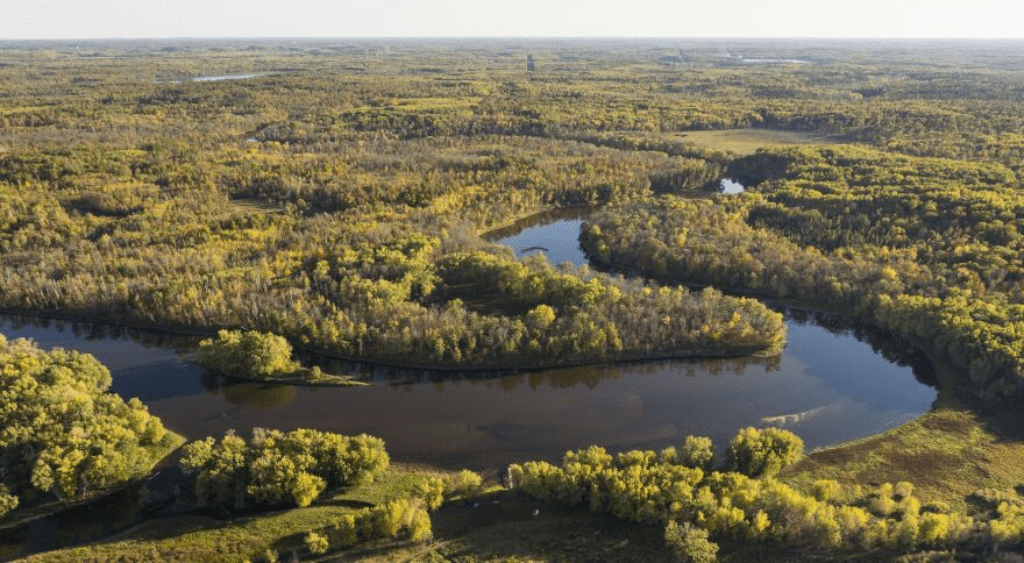
Key findings indicate groundwater levels in these irrigated areas have generally remained stable over the last three decades and there is no evidence of across-the-board groundwater level declines.
Jake Wildman, IAM President, said after prolonged years of drought, the report provides members with valuable information to farming operations.
“As farmers who rely on a water supply that is critical to our livelihoods, it is important for IAM members to have a good understanding of water availability,” Wildman said. “We were happy that the report findings confirmed what we suspected – we are lucky to live in a water-rich state that naturally replenishes year over year.”
“-we are lucky to live in a water-rich state that naturally replenishes year over year.”
Jake Wildman – IAM President
Foth analyzed each area’s hydrogeologic setting, groundwater level records collected by a mix of continuous groundwater level recorders and manual groundwater level measurements and net consumptive uses of water.
Larry Kramka, Foth Market Leader, said the white paper’s analysis of a robust data set shows while there are local water level declines or increases over time, the overall trend shows stable water levels annually and no across the board groundwater level declines. The net loss from evapotranspiration, baseflow to streams and wetlands and groundwater withdrawals is offset by the recharge of these aquifers.
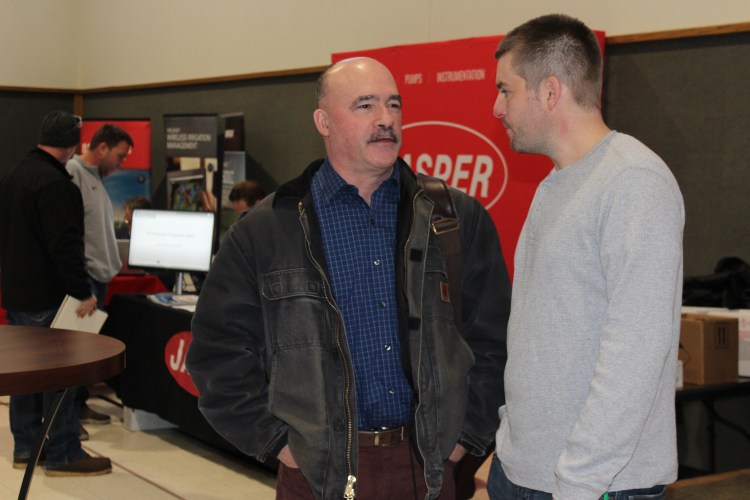
“Even with increased permitted appropriations and usage in these regions, the data indicates the groundwater system is resilient and water withdrawals are balanced by replenishment through recharge from precipitation and connected surface water resources,” Kramka said.
Kramka, a thirty-year natural resources professional who worked at the DNR for more than twenty years, went on to say that each area in the state needs to be managed locally and many factors need to be accounted for – which DNR, counties, watershed and soil and water conservation districts do well – but overall, the report shows positive news for all Minnesota citizens.
“-these results show that our use of these aquifers is sustainable, and Minnesota is not in a groundwater crisis.”
Larry Kramka – foth – market leader
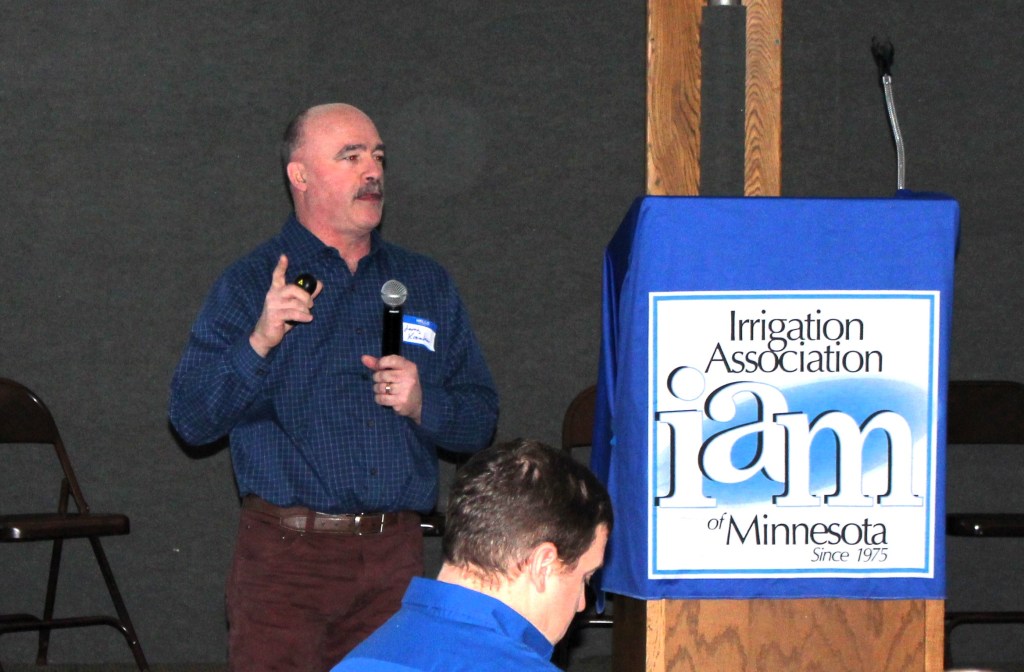
“Groundwater in Minnesota is critical for supporting domestic uses, industrial uses, agricultural processing, and irrigation,” Kramka said. “Certainly, there are areas in the state that need to be managed carefully because of local conditions and the systems are in place to do so. The good news is these results show that our use of these aquifers is sustainable, and Minnesota is not in a groundwater crisis.”
Wildman credits farmers for investing in precision-irrigation equipment and prioritizing water conservation.
“IAM members do an outstanding job using the latest technology on the market to conserve water by measuring soil moisture, using irrigation scheduling tools, and performing routine maintenance to ensure irrigators are operating efficiently,” Wildman said. “Farmers across the state are dedicated to the management of Minnesota’s land and water resources.”
For additional details, the complete Foth report can be downloaded here: Foth Report. Information about the DNR’s cooperative groundwater monitoring program is accessible at www.dnr.state.mn.us/waters/cgm/program.html.
 IAM
IAM 